










































![Peggle [FLASH] image](/games-image/ch9y1sqndud9f3t0pq8bm0bjv6mf1e3u/250x150.webp)








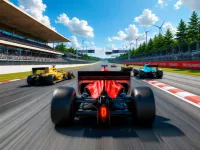
The racing genre stands as a cornerstone of the video game industry, channeling high-speed rivalry, pure excitement, and a deep-seated desire to win. At its core, racing challenges players to push both personal reflexes and virtual machines to their absolute limits. Whether maneuvering through the treacherous bends of a loose dirt track or maintaining top speed down a sprawling city highway, the fundamental objective remains unchanged: outpace the competition and claim the lead.
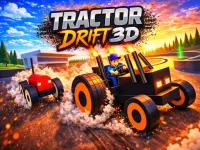
These games provide an accessible gateway for players to satisfy their need for speed from the comfort of home. Renowned for their technical sophistication, modern racing titles feature breathtaking visuals, realistic physics, and an extensive roster of real-world and conceptual vehicles—from nimble sports cars built for precision to rugged, heavy-duty trucks. Players can engage in a wide variety of formats, including solitary time trials, traditional multi-lap circuits, unpredictable point-to-point street races, and brutal off-road challenges. This diversity ensures the genre appeals to everyone, from hardcore simulator purists to casual players looking for immediate, arcade-style fun.
For those seeking an instant competitive fix, top-tier racing games offer a thrilling starting grid. Success requires a multifaceted skill set: mastering challenging geometry, outsmarting adaptive opponents, and perfectly executing drifts to carry vital momentum through corners. It is a compelling invitation to buckle up, take the wheel, and chase the checkered flag.
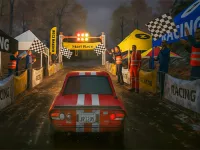
A major highlight of the racing genre is the incredible diversity of its tracks. Competitions unfold across vastly different landscapes, ranging from sunny coastal roads to dark, rain-slicked circuits where visibility and traction are heavily compromised.
Winning requires much more than simply keeping the accelerator floored. Drivers must constantly adapt to a shifting matrix of variables, including:
Weather Conditions: Sudden rain or snow that dramatically alters tire grip.
Surface Types: The distinct handling differences between smooth asphalt and loose rally gravel.
Opponent Behavior: Navigating the aggressive, unpredictable tactics of rival drivers.
This interplay transforms every event into a high-stakes tactical puzzle. Split-second choices regarding braking zones, overtaking lanes, and cornering angles ultimately decide who takes the podium and who spins out of contention.
The modern racing landscape is heavily anchored by its robust multiplayer features. Players can challenge friends in private sessions or test their skills against global opponents in matchmaking pools, relying on raw driving talent, precise car tuning, and strategic track positioning. Online leaderboards and structured esports tournaments provide dedicated competitors with a platform to showcase their talent and earn global recognition. Beyond the track, a passionate community thrives on forums and streaming networks, where enthusiasts swap tuning setups, debate strategies, and discuss new content updates.
Furthermore, the genre is a frequent pioneer of new gaming technology. Leading franchises continuously evolve by adopting cutting-edge hardware, most notably virtual reality (VR). By placing the player directly inside a highly detailed, 360-degree cockpit, these immersive technologies provide an unprecedented level of sensory feedback and control, blurring the line between simulation and reality.
Ultimately, racing games are far more than a simple distraction; they are a rigorous test of focus, strategy, and mechanical execution. Blending visceral speed with deep social connectivity, the genre remains universally beloved by players of all backgrounds. The track is set, the engine is running, and the journey to the finish line awaits.